February 7, 2026 | Mark Luis Foster
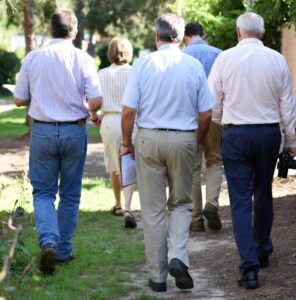 Eventually the snow melts in these parts and HOA Leaders will get their chance to walk the property to see what Mother Nature left behind. Such cold weather, snow storms, wind chills and a relentless freeze/thaw cycle all work against our siding, windows, foundations, driveways, sidewalks and streets. Leaders are encouraged to walk with their contractors and experts to get a good read on the problems that need maintenance.
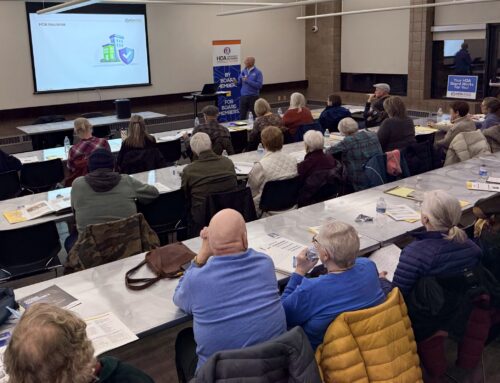
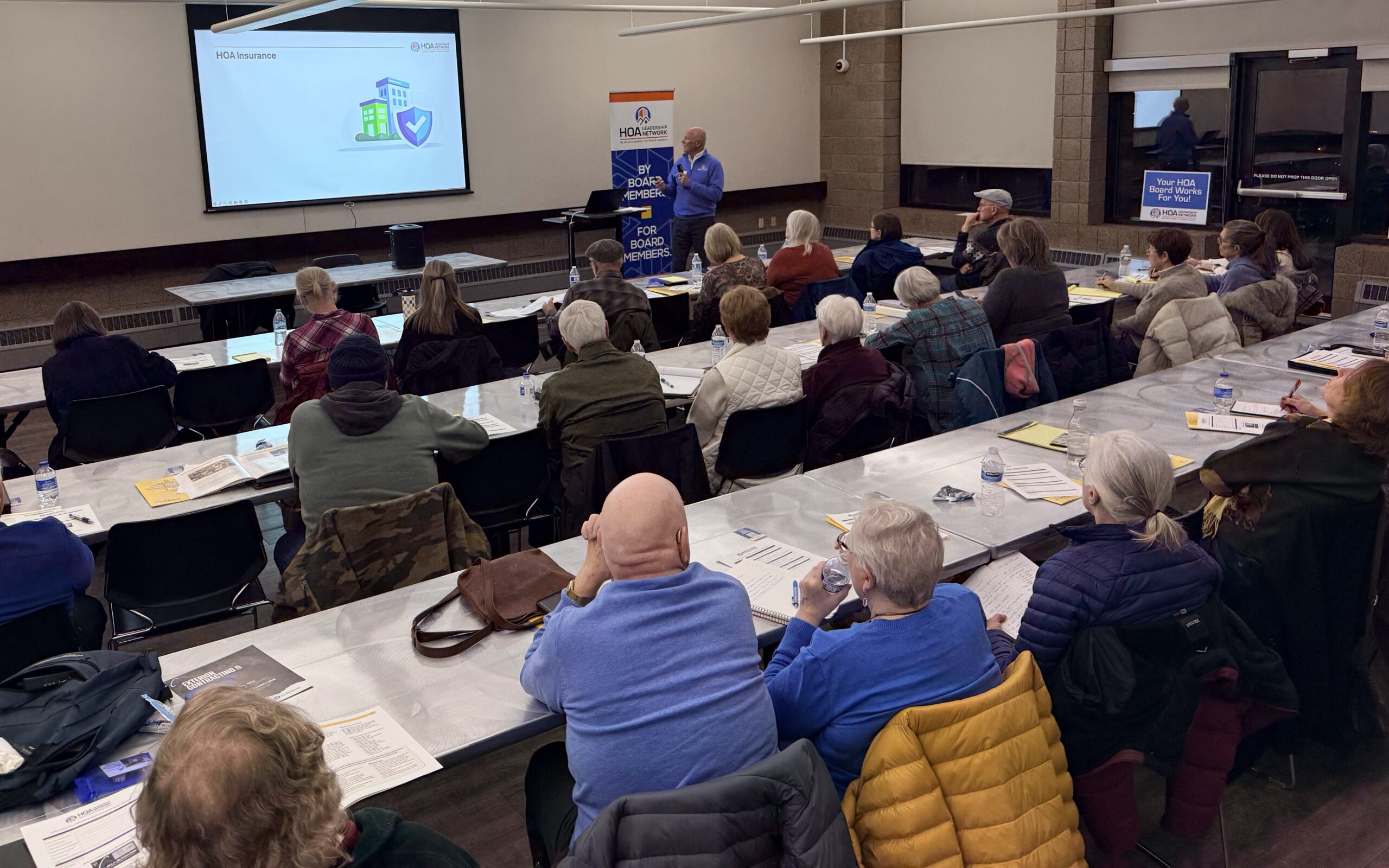
We have started our Spring Startup Series this month at all chapters that focus on irrigation, turf prep, and power washing, and we continue in March with presentations on spring walk-throughs. We asked our sponsor, Minnesota Exteriors, to provide a preview of their March presentations. Look for our RSVPs to open soon!
Content from Minnesota Exteriors
Spring Community Walkthroughs: What HOA Boards Should Look for After a Minnesota Winter
After a Minnesota winter, spring is a critical time for homeowners associations to assess the condition of their communities. Snow load, ice dams, freeze-thaw cycles, and wind events can all impact exterior building components, often creating issues that are not immediately visible but can become costly if ignored.
A structured spring community walkthrough helps boards identify concerns early, prioritize maintenance, and plan responsibly for the year ahead. Key exterior areas to review include siding, windows, roofing, gutters, and signs of storm damage.
Siding inspections should focus on loose or damaged panels, failed caulking, wood rot, staining, and damage from lawn equipment or pests. Plugged soffit venting can also restrict airflow and contribute to moisture-related problems.
Windows should be checked for seal failures, deteriorating glazing beads, rot, and improper flashing or caulking, all of which can lead to water intrusion, reduced energy efficiency, and interior damage.
Roofing often requires special attention after winter. Common concerns include missing or lifted shingles, damaged pipe jack boots, loose or blocked bath fan vents, missing HVAC caps, and evidence of ice dam damage. Because many roofing issues are difficult to see from the ground, drone inspections are often used to safely evaluate roof conditions without disrupting residents.
Gutters and drainage systems play a critical role in protecting buildings and foundations. Boards should watch for clogs, crushed extensions, overflow damage, staining, rot, and water pooling near foundations, which can accelerate long-term deterioration.
Storm damage should also be assessed carefully. Hail and wind can impact soft metals such as gutters, fascia, and vents, while roofs may show granule loss, bruising, cracking, or punctures.
Successful walkthroughs rely on accurate notes, photo documentation with locations, and clear communication with the appropriate vendors. Minnesota Exteriors partners with HOA boards and property managers to help communities protect their buildings and plan confidently.
We are proud to participate in HOALN’s March meetings and support board members through ongoing education and collaboration.