April 24, 2026 | Mark Luis Foster
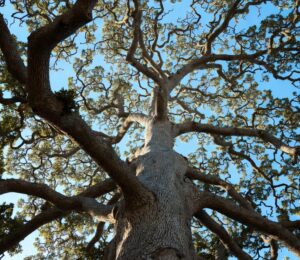 For those of you who have been even occasional participants in our monthly chapter meetings, you’ve heard us talk a lot about trees. Ron Zillmer from Legacy-Trees is often in the house, and he opines on trees and how they are often neglected in HOAs due to cost and sometimes a simple lack of knowledge on what to do.
For HOA board members and community leaders, trees are more than landscaping—they’re long-term investments. They shape curb appeal, reduce heat, increase property values, and define the character of a neighborhood for decades. But there’s an uncomfortable truth in the tree industry: many trees planted today aren’t built to last.
What if the problem isn’t the tree; but the way we grow it? Ron recently shared with us some amazing news about a patent that he has secured in this “growing” industry.
The Hidden Issue Beneath the Surface
Most trees available through traditional nurseries are grown in deep, narrow containers. This method is efficient for shipping and handling—but it comes at a cost. Roots in these containers often begin to circle, wrapping around themselves instead of spreading outward.
At planting, everything may look fine above ground. But below the surface, these compromised root systems can lead to instability, poor nutrient uptake, and ultimately, early decline or failure.
For HOAs, that means:
- Higher replacement costs
- Increased maintenance and risk
- Lost time waiting for new trees to mature
In short, a cycle that works against long-term sustainability.
Learning from Nature: How Trees Are Meant to Grow
In natural forest environments, tree roots don’t grow deep and narrow—they grow wide and shallow, extending outward in search of water and nutrients. This structure provides stability, resilience, and the ability to thrive for decades—even centuries.
Ron Zillmer at Legacy-Trees, LLC, one of our great HOALN sponsors, set out to replicate that natural advantage.
A New Approach: Engineering Roots for Longevity
In 2020, Legacy-Trees applied for U.S. and international patent protection for a breakthrough: the Tree Platform Production & Transplanting System, developed by founder Ron Zillmer.
Instead of forcing roots into restrictive containers, this system creates what they call a “Legacy engineered root system.”
Here’s how it works:
- Flat, wide root development that mirrors natural forest growth
- Flexible side panels with air root pruning technology, which naturally stops roots from circling
- Encouragement of outward root branching, creating a stronger, more balanced foundation
The result? A tree that is biologically prepared to succeed the moment it’s planted.
Immediate Establishment, Long-Term Impact
One of the most compelling benefits for HOAs is what happens after planting.
Trees grown using this system rapidly colonize the surrounding soil, establishing themselves far more effectively than traditional nursery stock. That translates to:
- Higher survival rates
- Faster establishment
- Reduced need for intensive aftercare
- Greater resilience to stressors like drought or wind
Most importantly, these trees are built to fulfill their true purpose: to thrive for 50 to 100 years or more.
Why This Matters for HOAs
HOA boards are increasingly tasked with balancing budgets, sustainability goals, and resident expectations. Choosing the right trees isn’t just a landscaping decision—it’s a strategic one.
Investing in better root systems means:
- Lower lifecycle costs (fewer replacements)
- Safer communities (reduced tree failure risk)
- Stronger environmental impact (longer carbon capture and canopy benefits)
- A lasting legacy for the community
Planting for the Future
Trees are one of the few assets an HOA plants today that future boards—and future residents—will inherit. The question isn’t just what will this tree look like next year? It’s what will it look like in 50 years? By rethinking how trees are grown from the ground up, innovations like the Legacy-Trees system offer a path toward healthier, longer-living landscapes.
Because when roots are built right, everything above them has a better chance to flourish. Watch for Ron Zillmer’s presentations at all chapters in June!